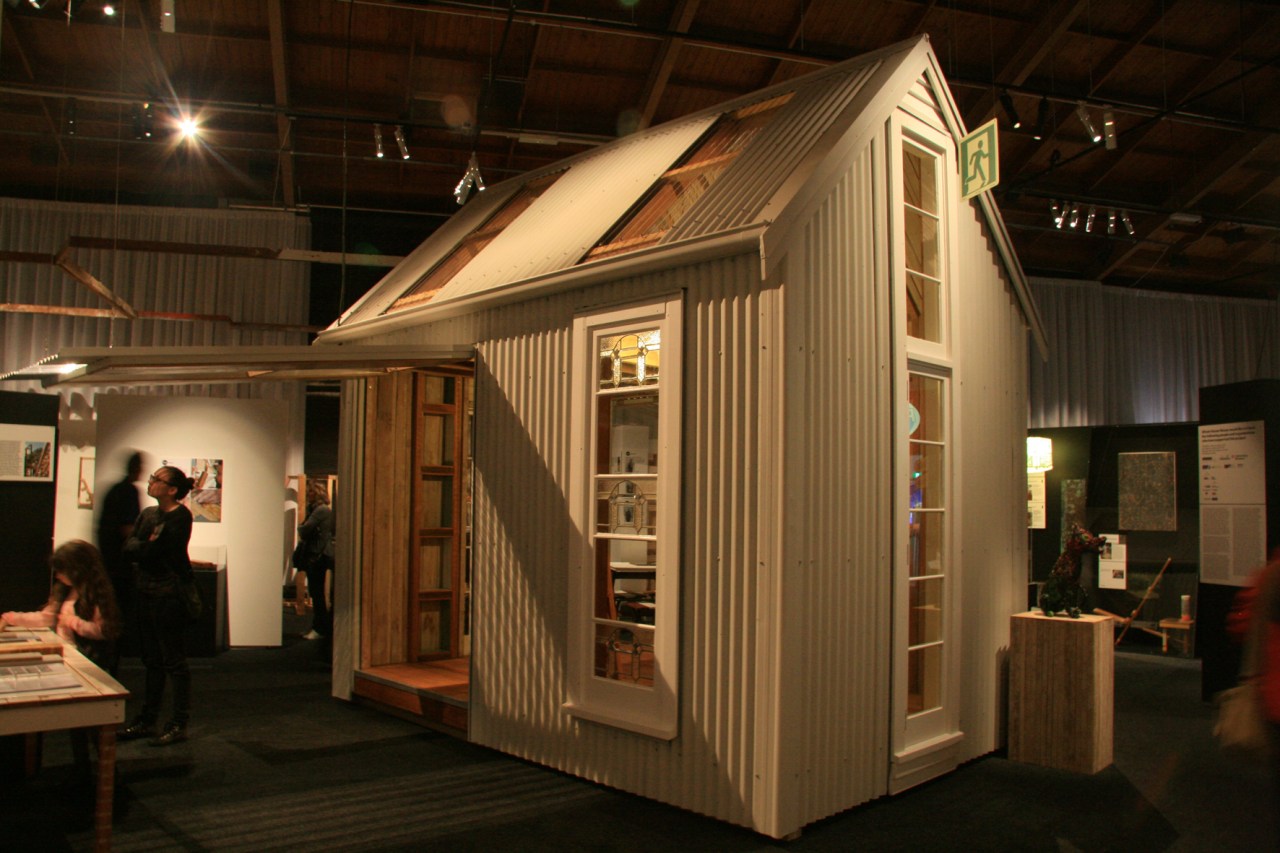
This project is a response to the 2011 Christchurch earthquakes in New Zealand’s South Island. It was created as part of the Whole House Reuse Project, and exhibited at The Canterbury Museum in 2015.
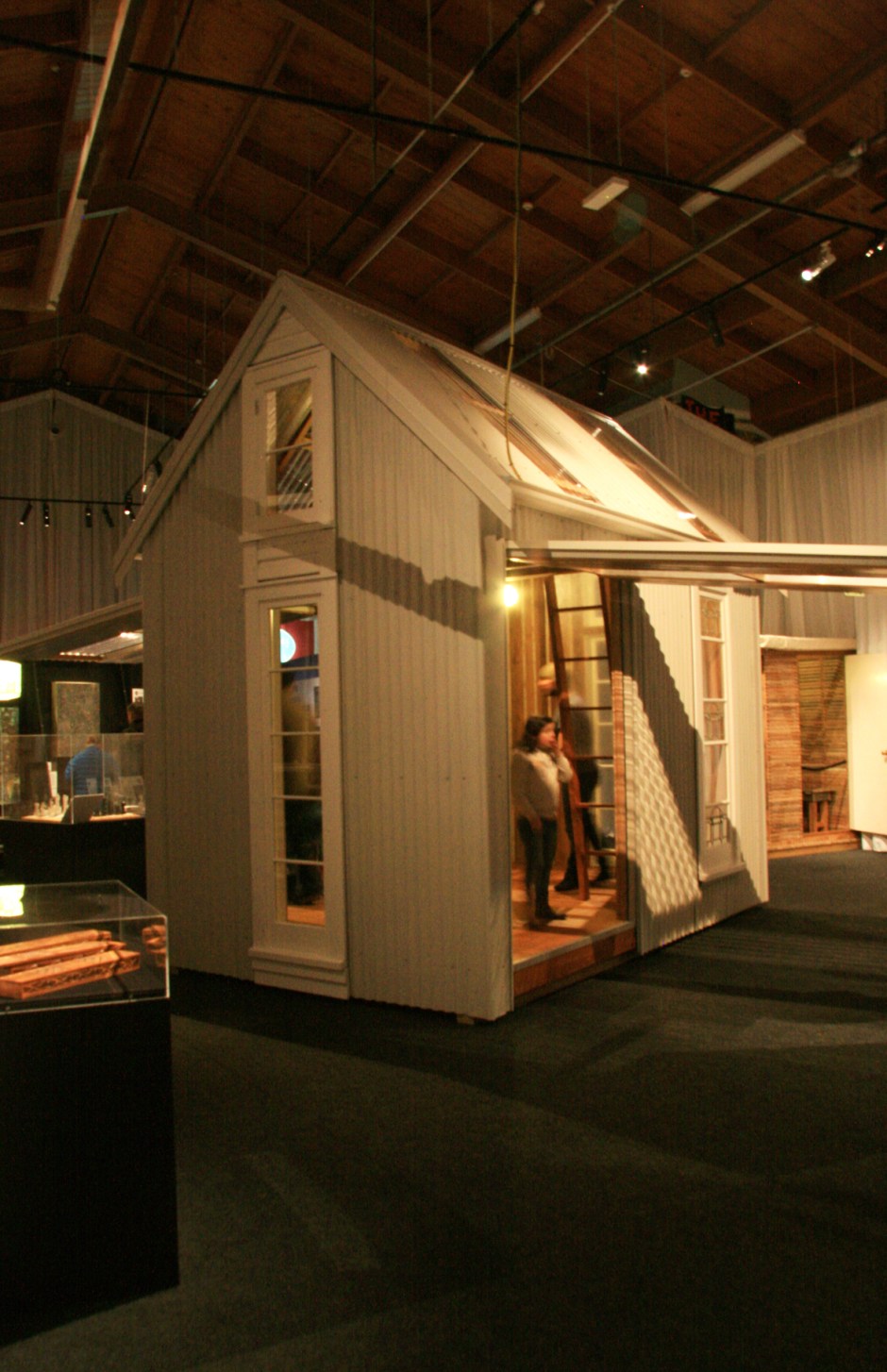
The Cocoon is one of approximately 400 useful objects, made from the salvaged materials of one condemned ‘Red Zoned’ home. The Whole House Reuse project attempted to catalog every part of one carefully deconstructed home, making the materials available to artists and designers to create ‘useful’ objects.
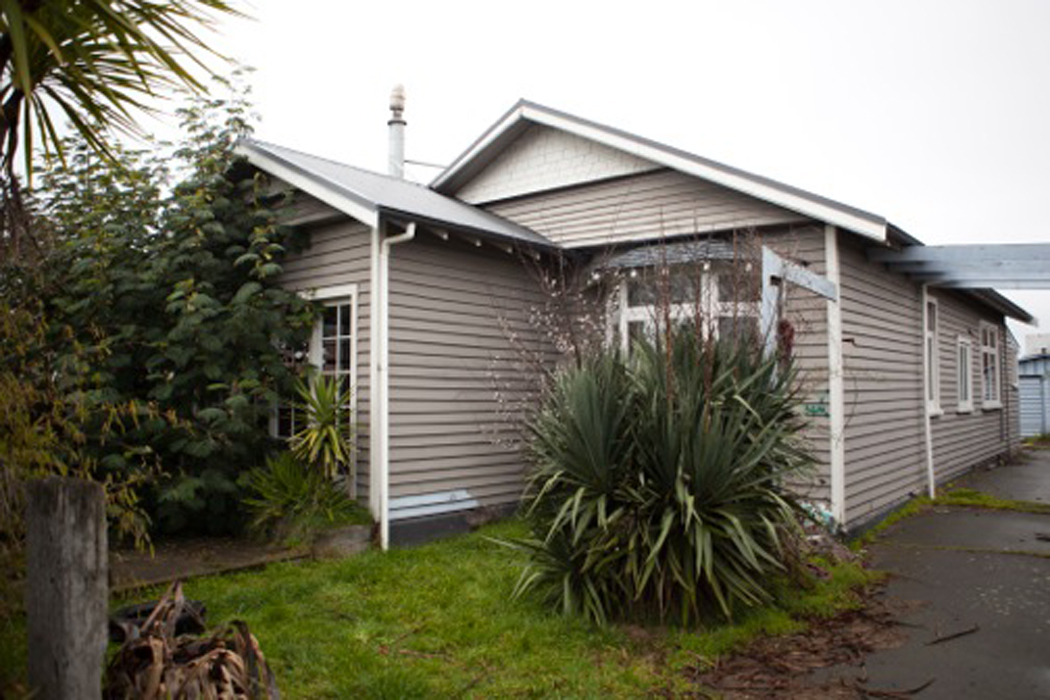
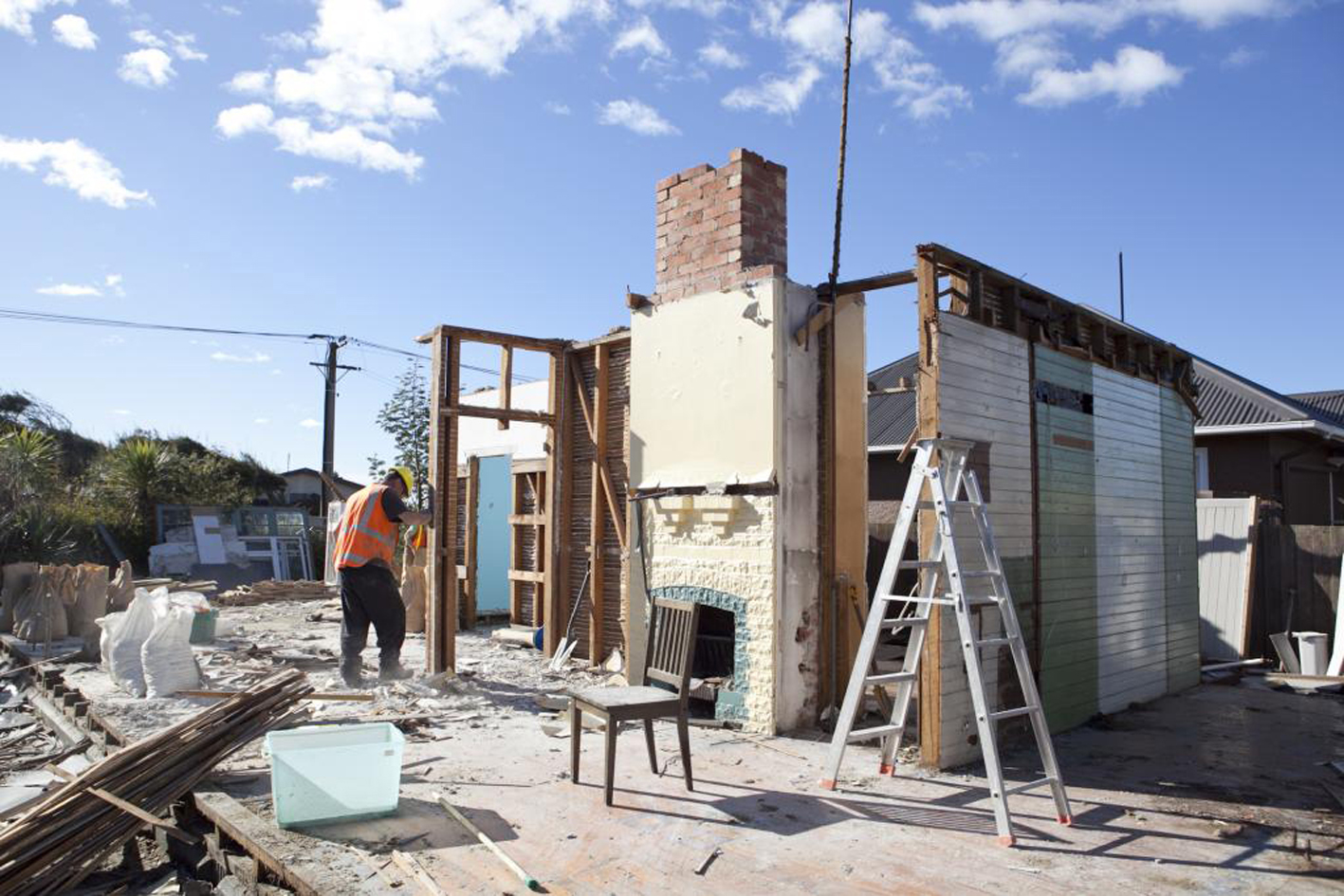
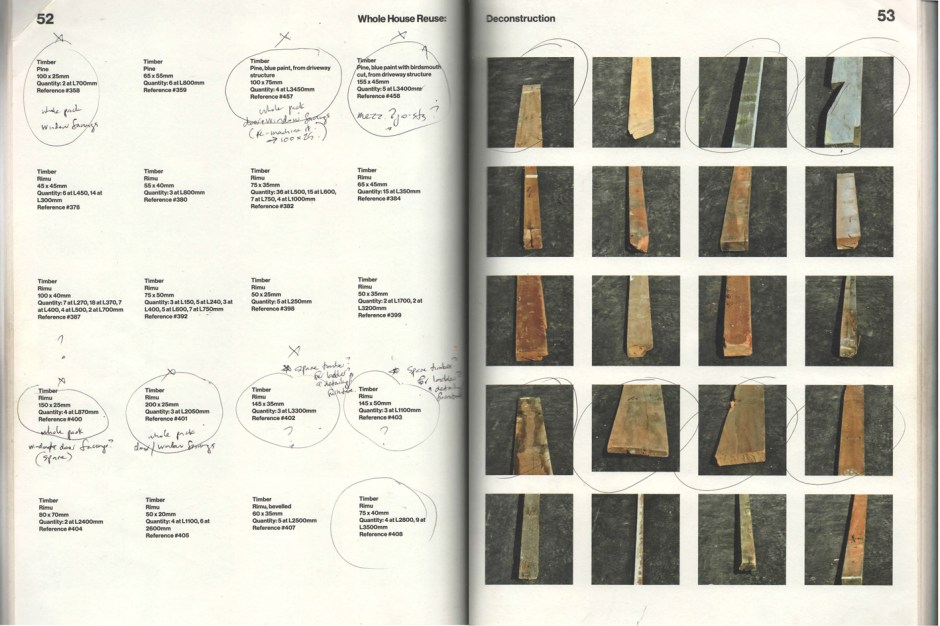
The Whole House Reuse exhibition involved over 250 people and included archival footage of the obsessive deconstruction of 19 Admirals Way (the house) and interviews with the Buxton family (the last owners/residents of the home).
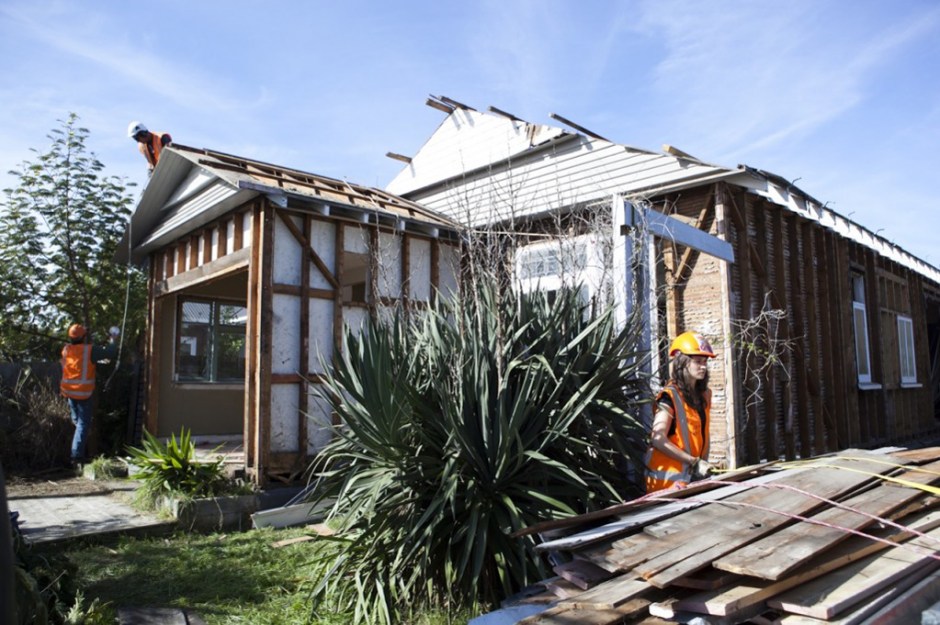
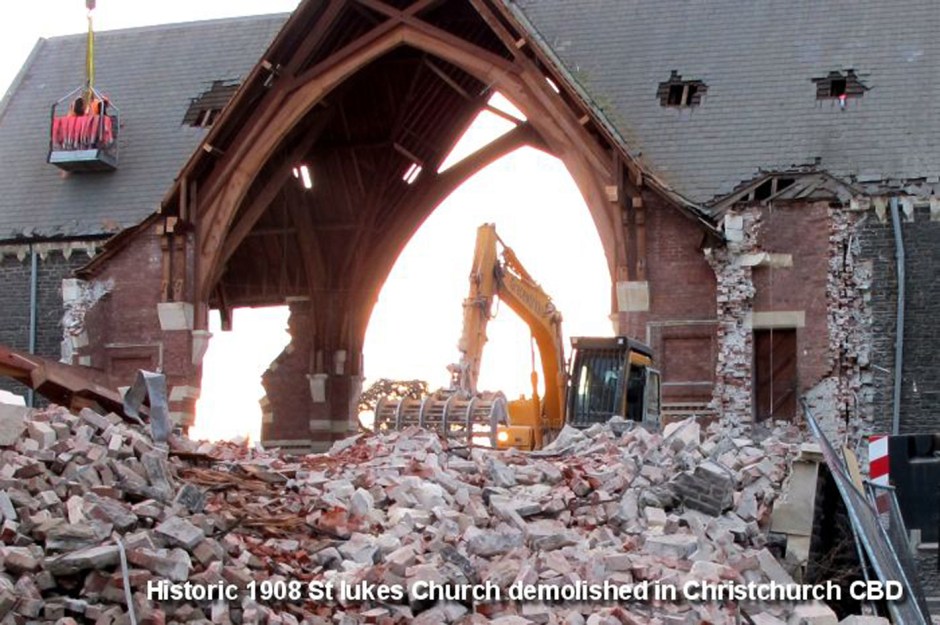
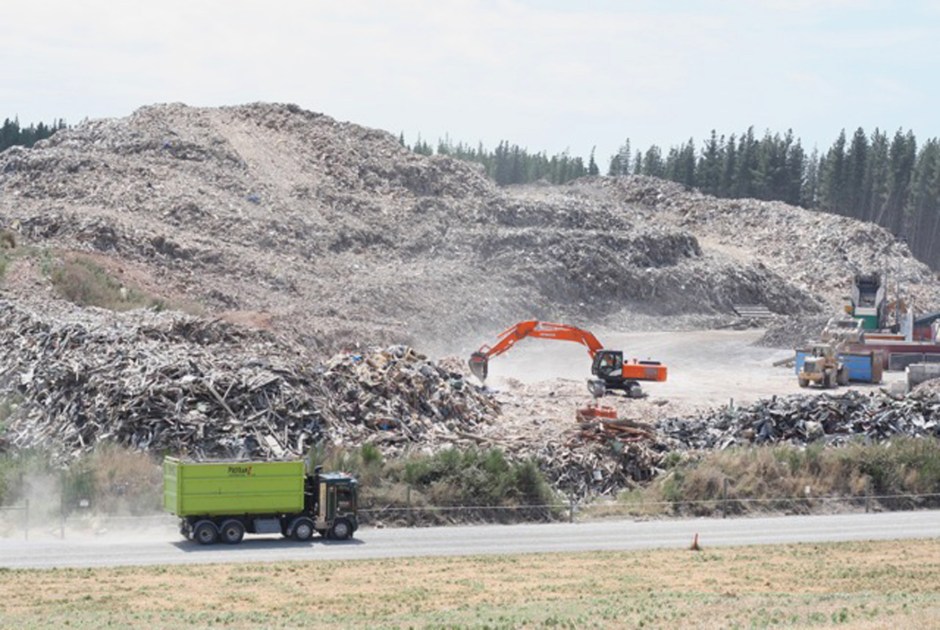
It was initiated as a contrast to the mountainous rubbish heap containing ten thousand homes, churches and commercial buildings that were smashed to pieces by diggers in the aftermath of the city’s earthquakes.
We were motivated by a series of photographs of the mountain of building waste at the Burwood Resource Recovery landfill site. This mountain made a full-sized digger look like an ant. The details of children’s toys and mattresses crushed amongst timber and roofing iron was disturbing to witness.
In the rush to clear the land in Christchurch for a speedy rebuild entire homes, complete with furniture and personal artefacts were demolished. The wealth of timber from our ancient forests and other valuable building materials were overlooked as economically unviable to salvage.
The Cocoon is a prototype for a ten square metre backyard studio, made entirely from salvaged materials. It is the result of a collaboration between artist Nic Moon and architectural designer Lyn Russell.


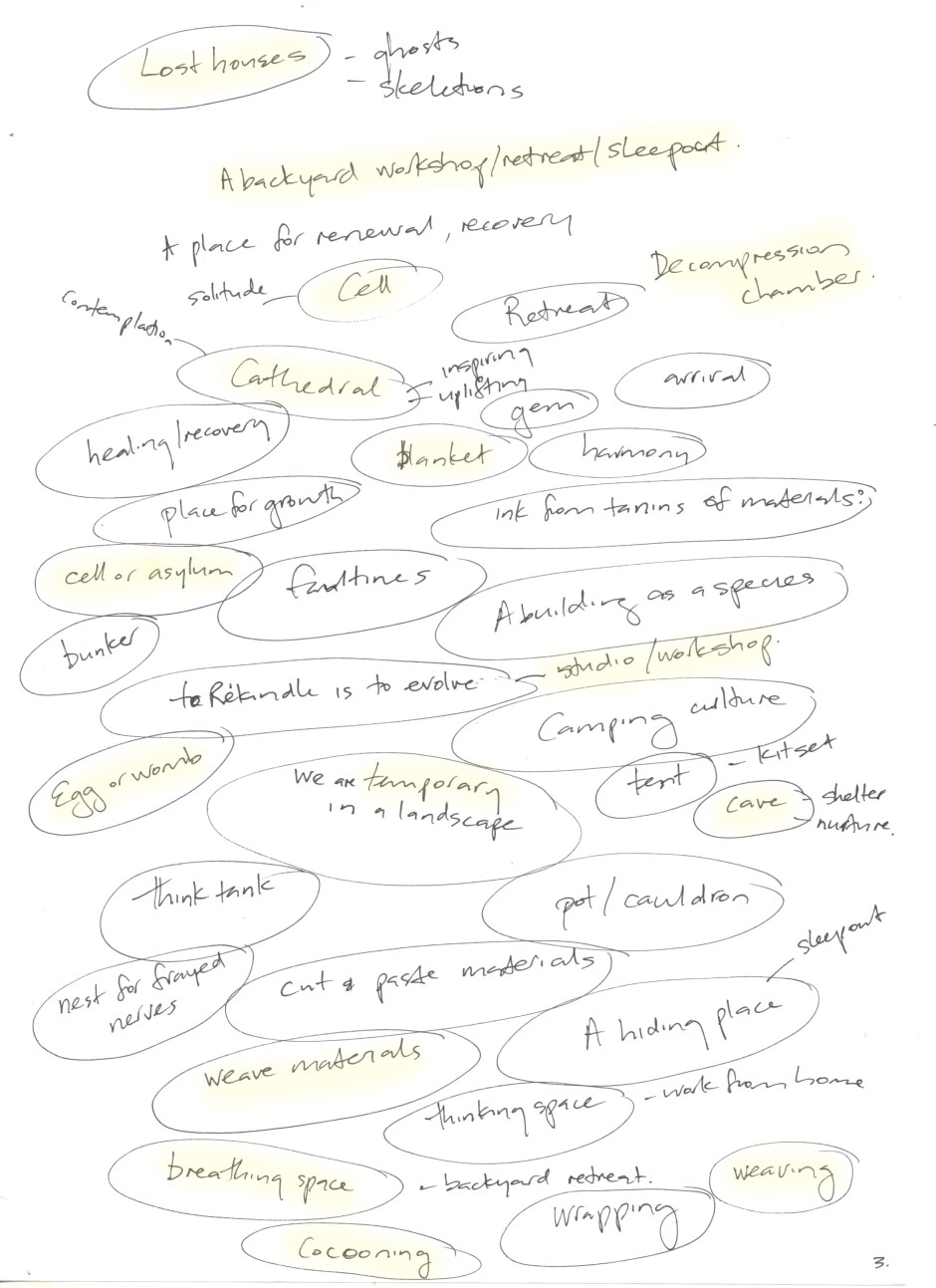
Inspired by the resilient life cycle of a butterfly we designed a space of transformation. By opening up it expands to become a studio or workshop. Then by re-cocooning inwards it becomes a place of stillness and retreat. A response to post-traumatic stress, and to human resilience.
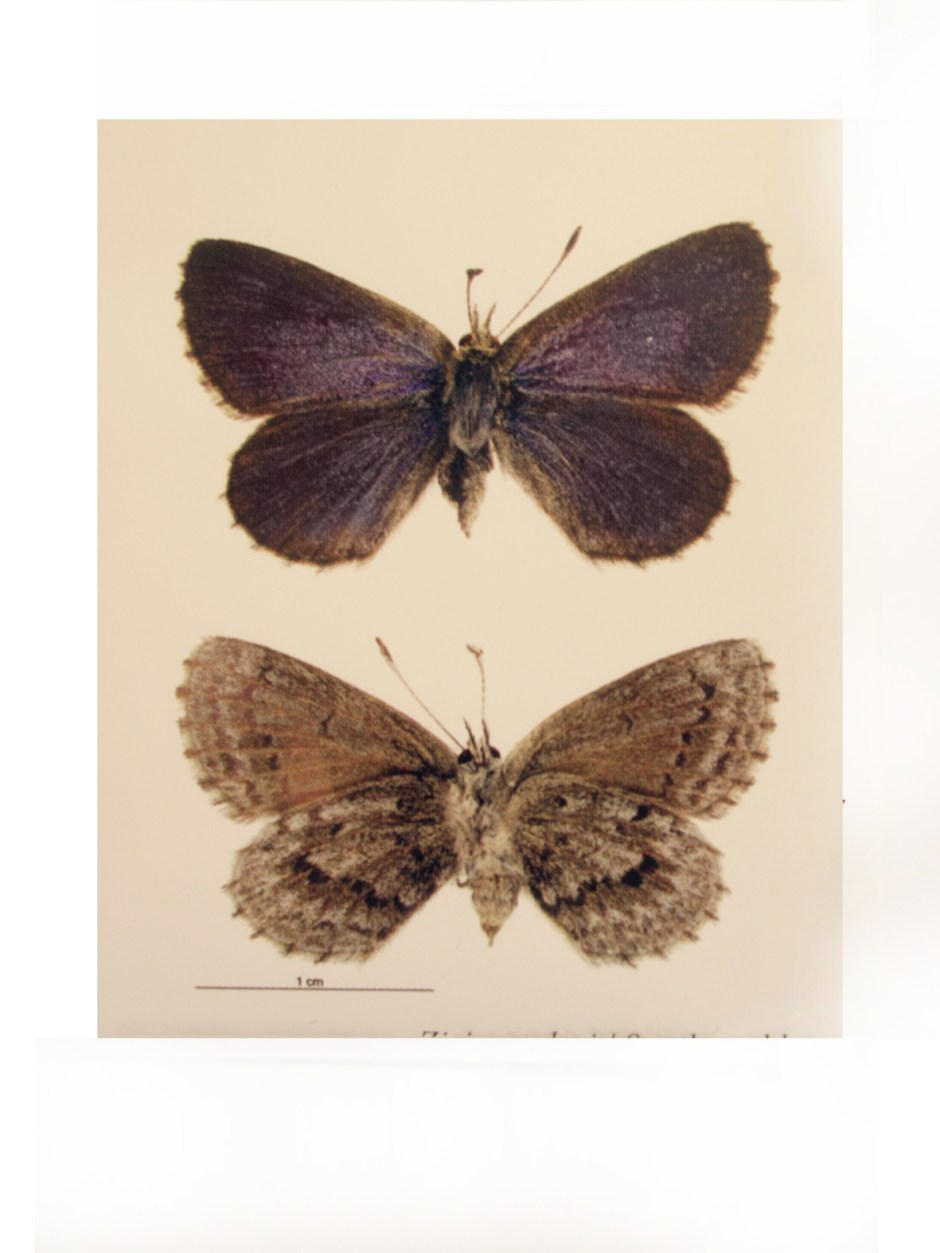
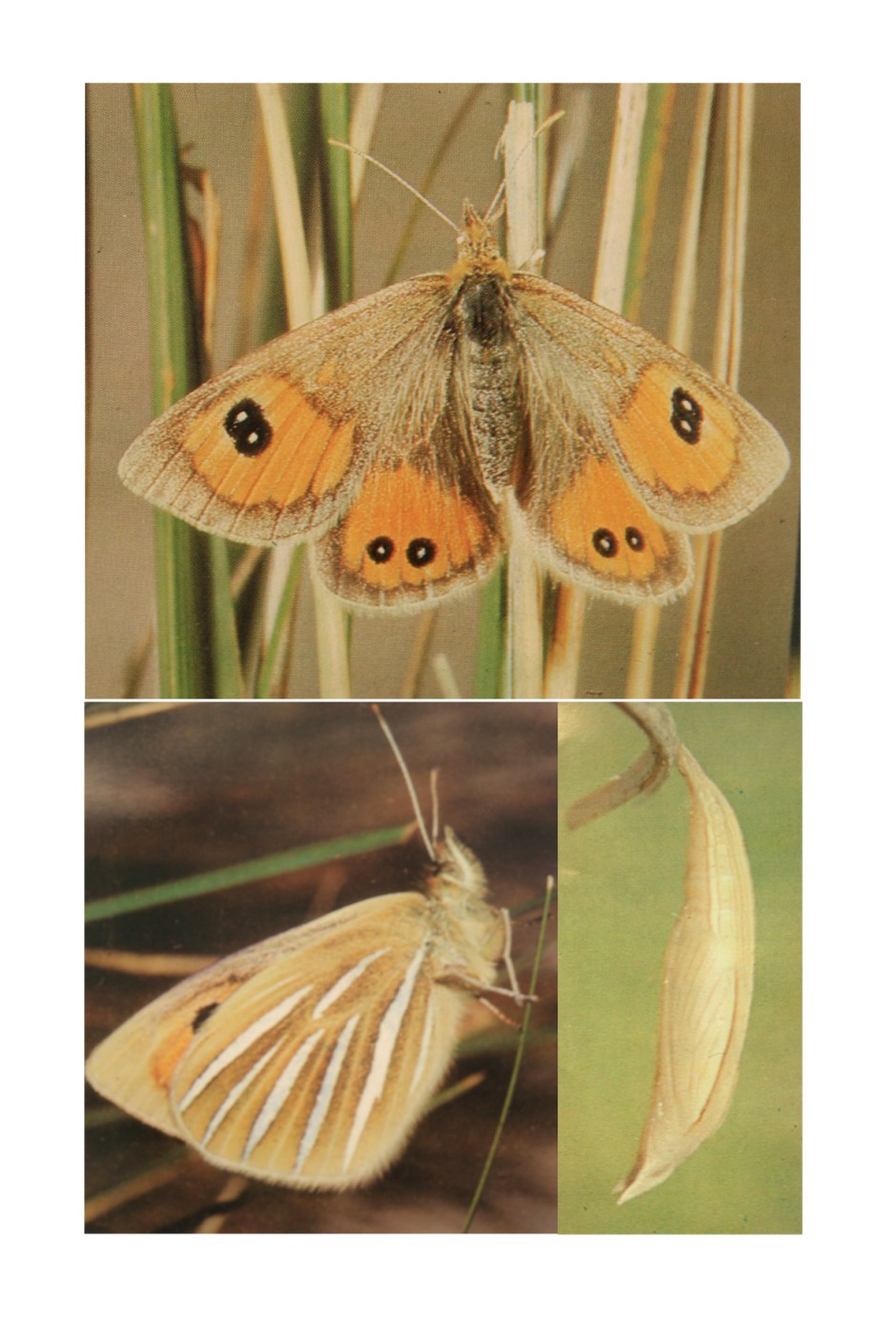
The Southern Blue Butterfly.
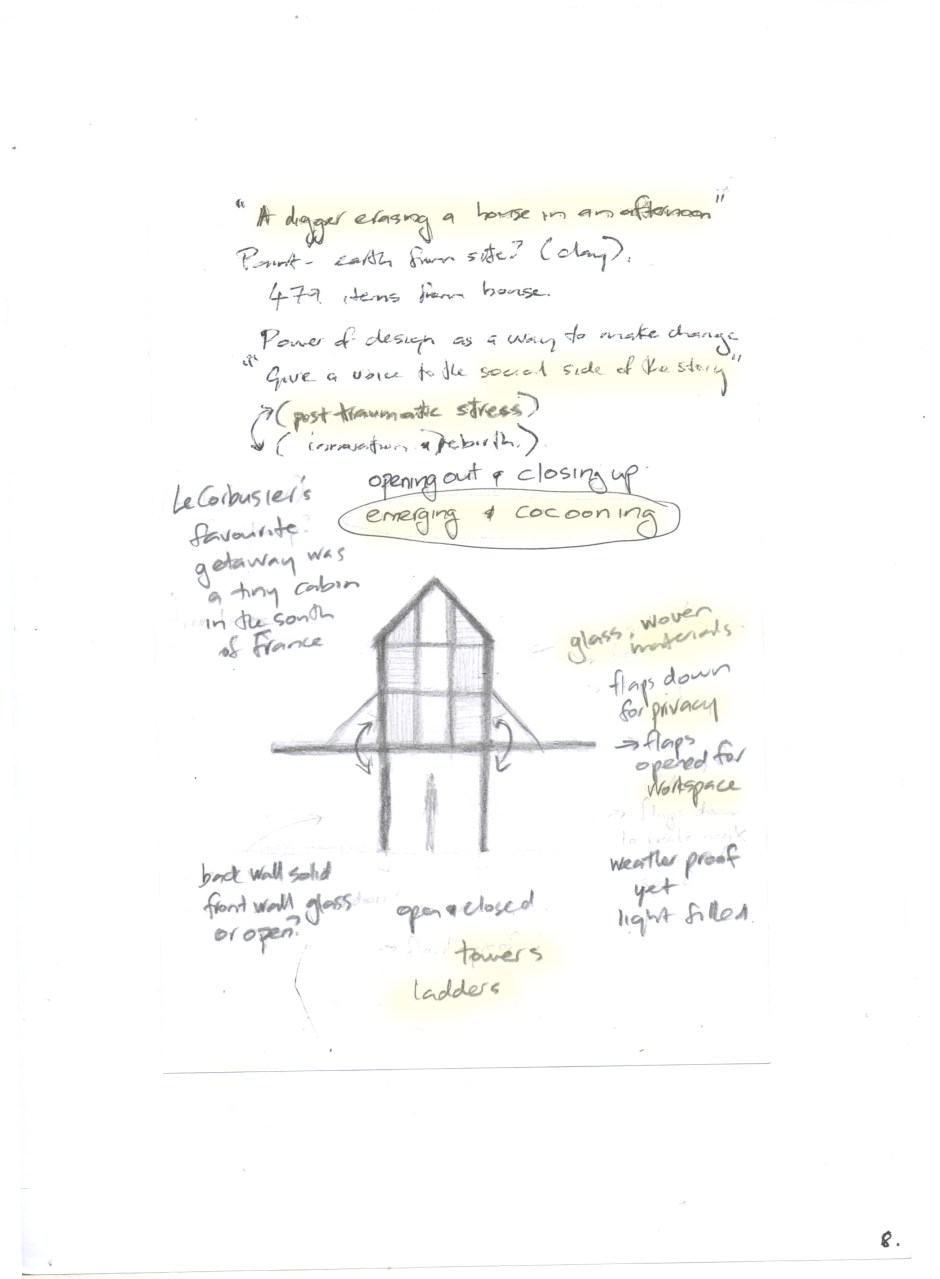
The Cocoon was designed to be dismantled and rebuilt a number of times. A response to the uncertainty of earthquake aftershocks and an increasingly changeable environment.

In the process of building The Cocoon we were restricted to using what was available from the salvaged house. Designing to meet government building codes and earthquake standards, while using a limited palette of salvaged materials was challenging at times.
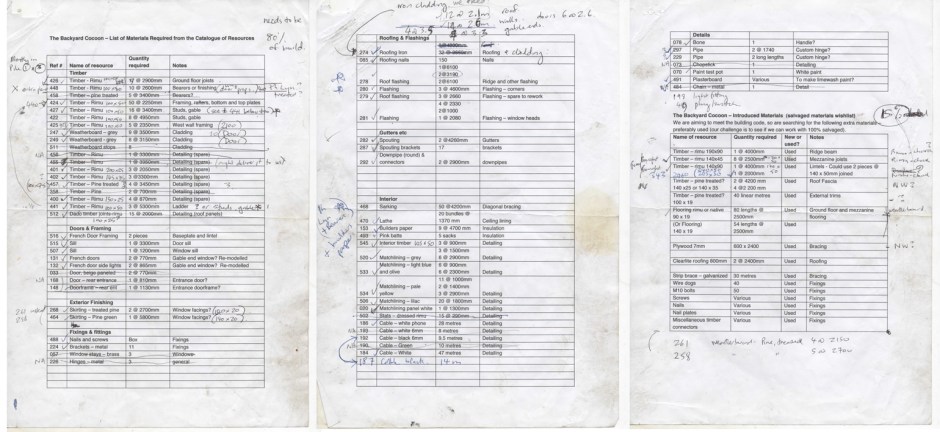
This meant recycling things that would normally not be considered useful. Interior linings were made in panels using the old lathe and sarking (normally hidden under a plaster or wallpaper finish).
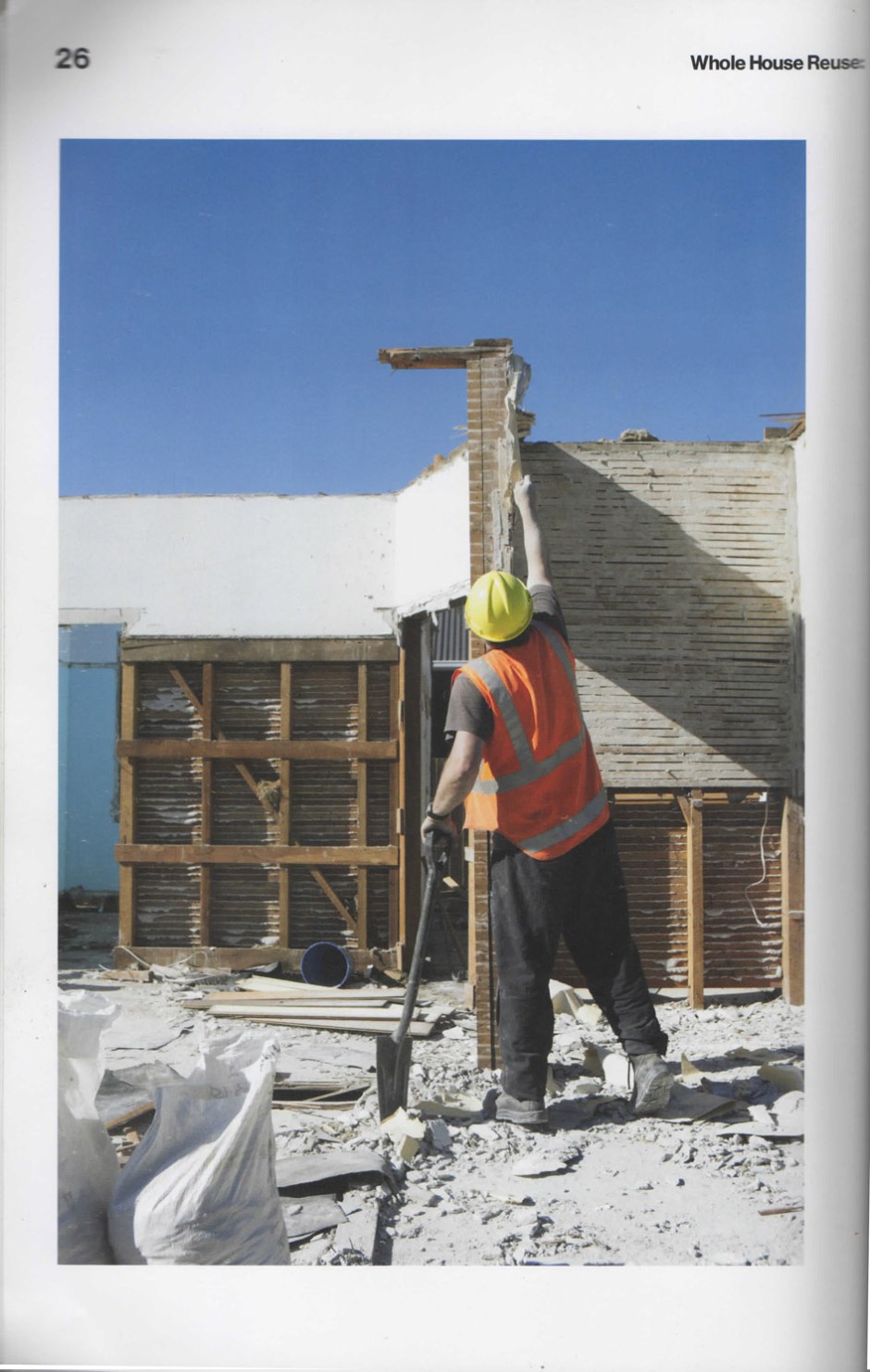
Nic used a mortar and pestle to grind the plaster from the smashed gib interior linings to make whitewash paint.

Inspiration was drawn from the wing patterns of the alpine Tussock Butterfly.
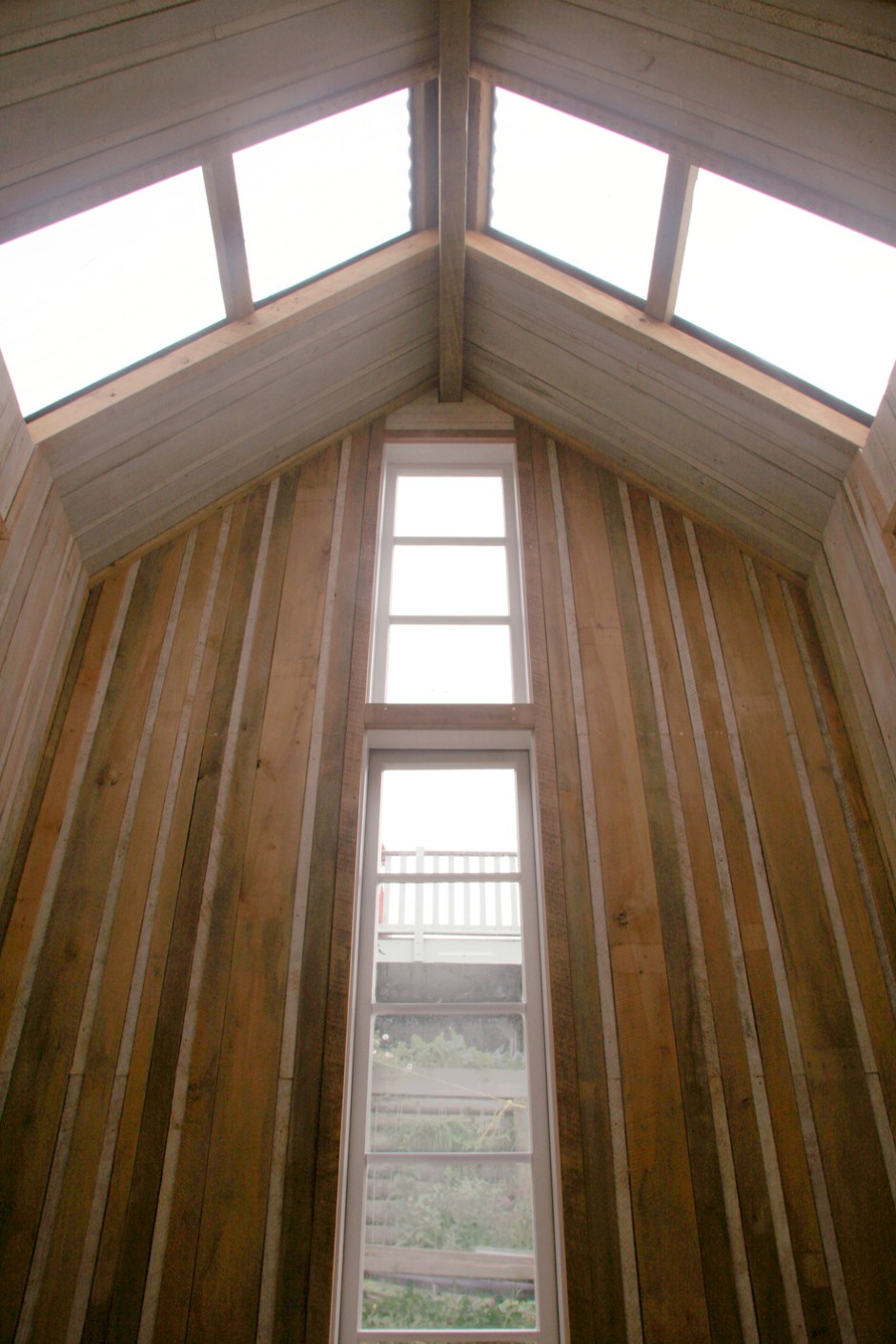
The original house, complete with a ladder up to a small loft where the Buxton children read books, along with images of a tiny cabin in the woods that Le Corbusier’s retreated to work on new ideas, provided additional inspiration.

The materials used to build The Cocoon hold the tissue memory, in their marks and scars, of our rich and vibrant human and environmental stories. We hope to inspire a different approach to the salvage and reuse of our precious resources, and to acknowledge the journey of trauma-recovery experienced by many.
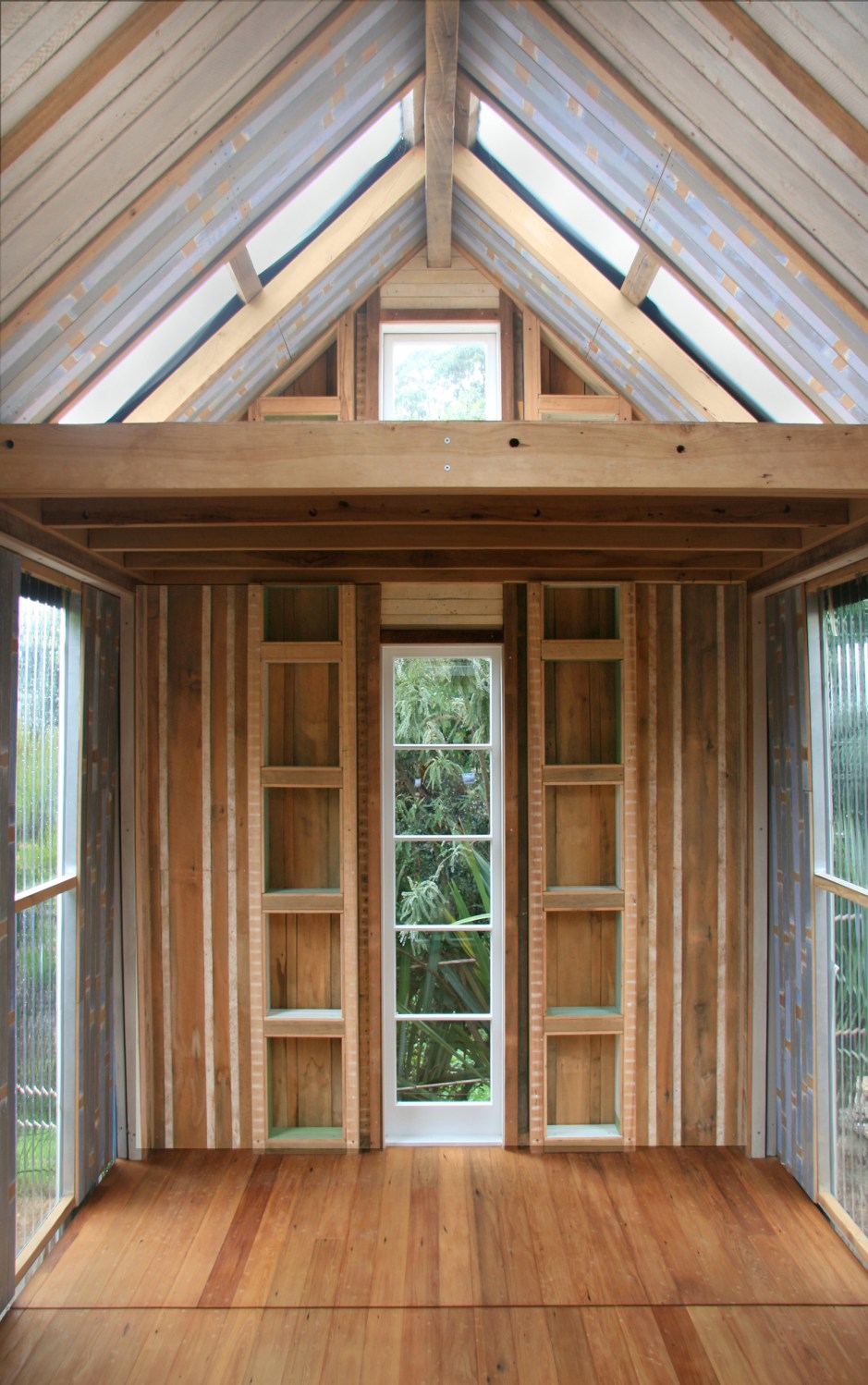
The Cocoon was built in Nelson, dismantled, transported to The Canterbury Museum, rebuilt, dismantled, transported back to Nelson, and rebuilt in its final resting place . . . thanks to the help and support of David Wakeling, Joe Hay, members of the Nelson and Christchurch communities, and Pic’s Peanut Butter truck, driven with care by Craig.
 NIC MOON